Flexible fractional support for mission-driven organizations
Most mission-driven organizations aren't under-talented. They're under-resourced at the exact level where it matters most: senior strategy, stakeholder navigation, and the connective tissue between vision and execution.
That's where fractional support changes the equation. Instead of stretching your team past capacity or waiting until you can justify a full-time hire, you get senior-level strategy and execution, embedded in your work, for exactly as long as you need it.
Project Management
Bringing structure to chaos: Designing the systems, workflows, and communication rhythms that keep initiatives moving when ownership is distributed across teams, partners, or organizations.
Managing scope, pace, and tradeoffs: Knowing when to hold the timeline, when to flex, and how to surface the right decisions to the right people before small issues become derailments.
Serving as the connective tissue: Bridging leadership, staff, and external partners so nothing falls through the gaps and everyone knows what's happening, what's next, and what they own.
Stakeholder engagement
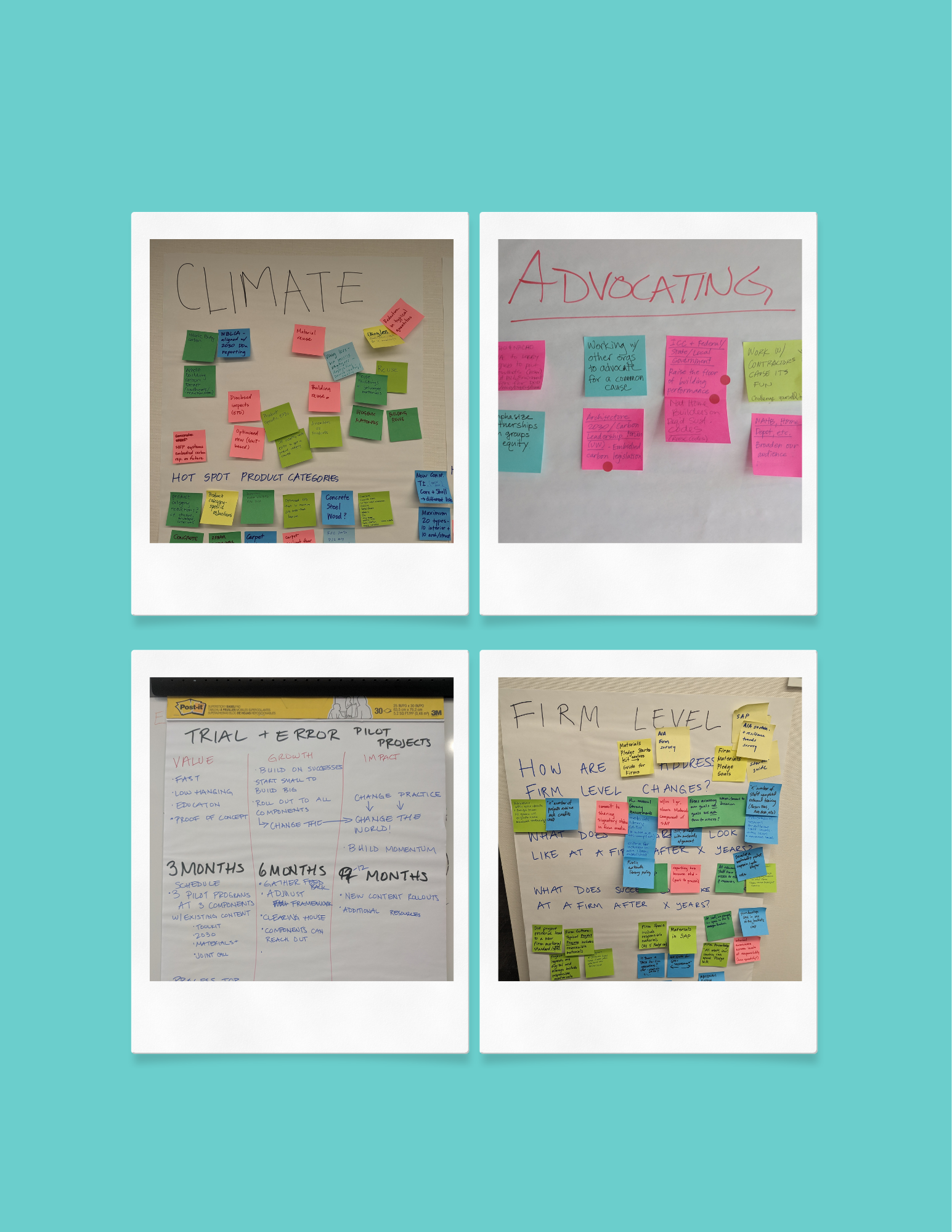
Facilitated Discussions: Lead productive conversations to align teams, gather insights, and drive action.
Focus Group Management: Design and conduct structured sessions to gather valuable stakeholder feedback.
Collaborative Engagement: Create inclusive spaces for open dialogue, idea-sharing, and decision-making.
Facilitation and alignment
Process design: Mapping who needs to be in the room, in what sequence, and what kind of engagement each group needs
Stakeholder mapping and analysis: Understanding who holds influence, who holds concern, where there's latent opposition, and where there's untapped alignment
Facilitated sessions: Designing and running meetings, workshops, and convenings that are structured enough to produce outcomes but open enough to surface real perspectives
Ongoing engagement strategy: Developing a plan for how to keep stakeholders informed, consulted, and invested over time.
Strategic Planning
Cutting through competing priorities: Working with leadership to surface what's actually driving decisions, where there's misalignment, and what the organization needs to commit to — and stop doing — to move forward.
Planning that produces decisions, not documents: Designing and facilitating planning processes that result in clear direction, defined accountability, and a strategy the team actually owns.
Connecting strategy to execution: Translating vision into sequenced, realistic roadmaps so the gap between where you are and where you're going has a credible path through it.

"Melissa is skilled at creating an inclusive, respectful space for all voices to be heard… actively listened and genuinely engaged with each participant’s perspective."
— Anne Law, SVP for Professional & Government Affairs, NIBS